

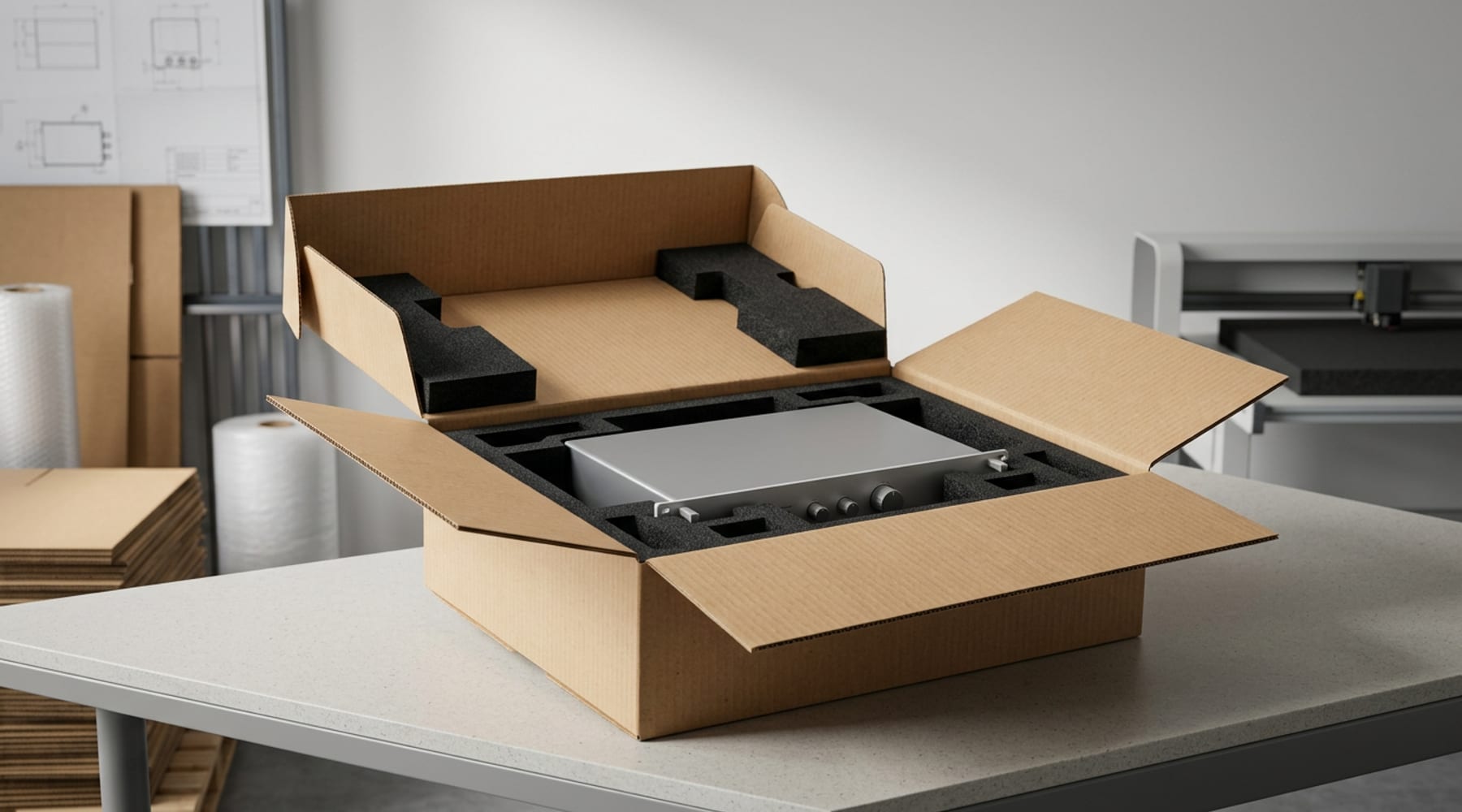
When shipping high-value, sensitive electronic equipment across domestic and international supply chains, the stakes are exceptionally high. A single mishandled pallet or severe transport vibration can compromise delicate microprocessors, calibration instruments, and circuit boards, resulting in costly replacements, frustrated clients, and reputational damage. Transporting fragile electronics safely is not merely a shipping concern; it is an engineering challenge that requires rigorous planning and structural precision. To mitigate these risks, procurement managers, warehouse directors, and supply chain leaders rely on custom foam inserts designed to lock sensitive cargo securely in place and absorb destructive transit G-forces.
Protecting modern electronic devices demands more than standard corrugated boxes and generic packaging materials. High-end industrial electronics, medical monitoring units, and aerospace telemetry components require solutions tailored to their exact physical geometries. By integrating precision-engineered protective foam with robust outer containers, businesses can significantly reduce shipping risk. This comprehensive guide explores how custom foam inserts safeguard fragile electronics, why material selection and density matter, and how industrial manufacturing teams can source these specialized solutions quickly to streamline their packaging operations.
Understanding the Transport Hazards Faced by Fragile Electronics
Before examining protective solutions, it is essential to analyze the physical stressors that electronic cargo encounters during transit. The modern global supply chain exposes shipments to a multitude of environmental and mechanical hazards. Road transport introduces continuous low-frequency vibrations from vehicle engines and uneven road surfaces, which can fatigue solder joints and loosen internal assemblies. Air and ocean freight add severe impact shocks during loading, transfer, and unloading phases.
Furthermore, electronic assemblies are notoriously sensitive to dynamic shock loads. When a standard box is dropped or abruptly halted, the sudden deceleration transfers massive energy spikes directly to the contents. Without adequate internal cushioning, fragile components absorb the full impact, leading to structural failure or latent defects that only appear once the equipment reaches its final destination. Addressing these hazards requires an engineered approach that distributes load evenly and isolates the product from external kinetic energy.
The Core Benefits of Custom Foam Inserts
Standard packaging materials often allow too much internal movement, permitting products to shift, collide with container walls, or suffer repeated micro-impacts. Implementing custom foam inserts resolves these vulnerabilities by providing a precise, conforming cradle for every unique device. This level of customization offers several distinct advantages for industrial operations:
- Exact Geometrical Fit: Tailored cutouts match the exact contours of the electronic device, eliminating shifting and evenly distributing support across the entire chassis.
- Energy Absorption: High-performance foams deform predictably under impact, absorbing kinetic energy and preventing shock waves from reaching delicate internal circuitry.
- Vibration Damping: Specialized cellular structures dampen harmonic vibrations transmitted through trucks, cargo ships, and aircraft.
- Scalable Process Integration: Custom inserts support reproducible packaging workflows on the warehouse floor, ensuring every unit is secured with consistent precision.
Where to Buy Custom Foam Inserts for Delicate Industrial Equipment with Fast Shipping?
Sourcing high-performance protective packaging with rapid turnaround times is a common priority for operations managers facing tight project deadlines. When industrial buyers ask where they can buy custom foam inserts for delicate industrial equipment with fast shipping, the answer lies in partnering with integrated packaging specialists who manage both structural design and manufacturing under one roof.
By collaborating with an experienced provider like Lovepac, businesses gain access to advanced engineering capabilities that combine high-performance foam fabrication with rugged corrugated or wooden outer containers. This integrated approach eliminates communication bottlenecks between different suppliers, drastically reducing lead times while ensuring that the protective packaging meets strict industrial standards. Whether you need antistatic foam configurations for sensitive circuit boards or heavy-duty cushioning for large diagnostic arrays, working with a specialized local manufacturer ensures fast, dependable delivery without compromising protective integrity.
Engineering Precision: How Foam Density and Chemistry Affect Protection
Not all foam materials are created equal. Selecting the appropriate foam type and density is a critical engineering decision that depends entirely on the weight, fragility threshold, and physical profile of the electronic equipment being transported. A mismatch between foam density and product weight can result in either bottoming out (if the foam is too soft) or excessive shock transfer (if the foam is too rigid).
Polyethylene (PE) Foam
Polyethylene foam is a closed-cell, resilient material known for its excellent load-bearing capacity and chemical resistance. It is rigid enough to support heavier industrial electronics while offering reliable impact attenuation. PE foam can be easily routed or die-cut to accommodate complex equipment geometries, making it a staple in industrial and aerospace packaging.
Polyurethane (PU) Foam
Polyurethane foam is an open-cell, flexible material that provides exceptional cushioning for lighter, highly fragile electronic components. Its soft texture cradles sensitive surfaces, preventing scratches and absorbing light-to-moderate shocks effectively. PU foam is frequently utilized for delicate consumer electronics, handheld measurement tools, and sensitive optical instruments.
Cross-Linked Polyethylene (XLPE) Foam
Cross-linked polyethylene offers a smoother surface finish, superior chemical resistance, and enhanced durability compared to standard PE foam. Its fine-cell structure makes it visually appealing for premium product presentations and robust enough for repeated reuse in demanding industrial environments.
Addressing Electrostatic Discharge (ESD) in Electronic Packaging
For electronic components, mechanical protection is only half the battle. Microprocessors, semiconductor wafers, and populated printed circuit boards are highly susceptible to electrostatic discharge (ESD). A sudden static charge can permanently damage sensitive micro-circuitry long before the equipment is ever powered on.
To counteract this risk, industrial packaging engineers integrate specialized anti-static or dissipative foam materials into custom insert designs. Conductive and static-dissipative foams safely channel electrical charges away from the enclosed electronic device, neutralizing potential threats during transit and handling. Ensuring compliance with industry ESD standards is a fundamental requirement for any electronics manufacturer looking to protect internal assets and maintain rigorous quality control.
Step-by-Step Integration of Custom Foam Inserts
Integrating custom inserts into your packaging workflow requires a methodical approach to ensure optimal performance and operational efficiency. Follow these core steps to streamline your packaging process:
1. Comprehensive Vulnerability Assessment
Analyze the weight, center of gravity, delicate projection points, and fragility fragility threshold of the electronic device. Determine the maximum allowable G-force the equipment can withstand before sustaining damage.
2. Collaborative Design and Prototyping
Work alongside packaging engineers to design a multi-component insert system. Utilizing computer-aided design tools, specialists map out precise cutouts that secure the main chassis while accommodating protruding cables, accessories, or auxiliary modules.
3. Material Selection and Structural Testing
Choose the ideal foam density and chemistry (such as ESD-safe polyethylene or polyurethane) based on transport conditions and regulatory requirements. Validate the design through drop testing and vibration simulation to ensure reliable performance.
4. Streamlined Warehouse Deployment
Implement the finished packaging solution on your assembly line. Because custom inserts fit precisely every time, packing operators can secure delicate electronics rapidly and consistently, minimizing human error and prep time.
Common Pitfalls to Avoid in Electronics Packaging
Even seasoned supply chain professionals occasionally encounter packaging failures due to avoidable oversight. Being aware of these common missteps helps refine your logistical strategy:
- Overlooking Weight-to-Volume Ratios: Using oversized containers with inadequate or poorly fitted foam allows the product to shift and gain momentum before impact.
- Ignoring Environmental Factors: Failing to account for humidity, condensation, or temperature fluctuations during long-distance or overseas transit.
- Neglecting ESD Compliance: Utilizing standard non-conductive foam for sensitive electronic assemblies, exposing microprocessors to catastrophic static discharge.
By identifying and eliminating these operational blind spots, businesses can protect their inventory and ensure predictable, reliable transport outcomes.
Elevating Supply Chain Reliability with Expert Partners
Safeguarding high-value electronics through complex supply chains demands precision, innovation, and unwavering reliability. Treating packaging as an integrated engineering discipline rather than an afterthought allows manufacturing companies to mitigate risk, reduce damage rates, and project professionalism at every touchpoint of the customer experience.
To secure your next electronics shipment with custom-engineered protection and fast turnaround times, explore the specialized industrial packaging solutions offered by Lovepac and connect with our expert team today to discuss your specific operational requirements.